Clearing Space for Landscape Improvements
Shrub Removal in Wake Forest and surrounding areas for overgrown, damaged, or unwanted plantings
Overgrown foundation shrubs block windows, trap moisture against siding, and create hiding spots for rodents and insects as they expand beyond their intended footprint. TSR Tree Service, LLC removes shrubs that have outgrown their locations, sustained storm damage, or developed disease that threatens adjacent plants across properties in Wake Forest, Rolesville, Zebulon, and neighboring communities. Extraction clears the way for new landscape designs, improved building visibility, and better curb appeal when older plantings no longer serve the property layout.
Removal involves cutting shrubs to ground level, then extracting root balls with sufficient depth to prevent regrowth while minimizing soil disturbance around nearby plants or hardscapes. The approach allows immediate replanting or site grading without waiting for roots to decay. Properties undergoing renovations, preparing for sale, or updating landscaping styles benefit from complete shrub extraction rather than repeated pruning of unsuitable plants.
Arrange a property consultation to identify shrubs that detract from your landscape function and appearance.
How Shrub Extraction Changes Your Landscape
The removal process focuses on lifting root systems intact when soil conditions allow, reducing the need for extensive digging that disturbs established turf or adjacent plantings. Crews work around irrigation lines, utility connections, and decorative borders to protect infrastructure while eliminating unwanted shrubs. Different species require adjusted extraction techniques—shallow-rooted azaleas lift cleanly, while deeply rooted holly and boxwood demand more aggressive root severance.
Once shrubs are removed, the site reveals clear planting beds or foundation lines previously hidden behind overgrowth, and structures gain ventilation and light access that improves building envelope health. You notice improved sight lines from driveways and entryways, and walkways become easier to navigate without branches encroaching on pathways. Properties gain flexible space for installing ornamental beds, extending hardscapes, or establishing low-maintenance groundcover.
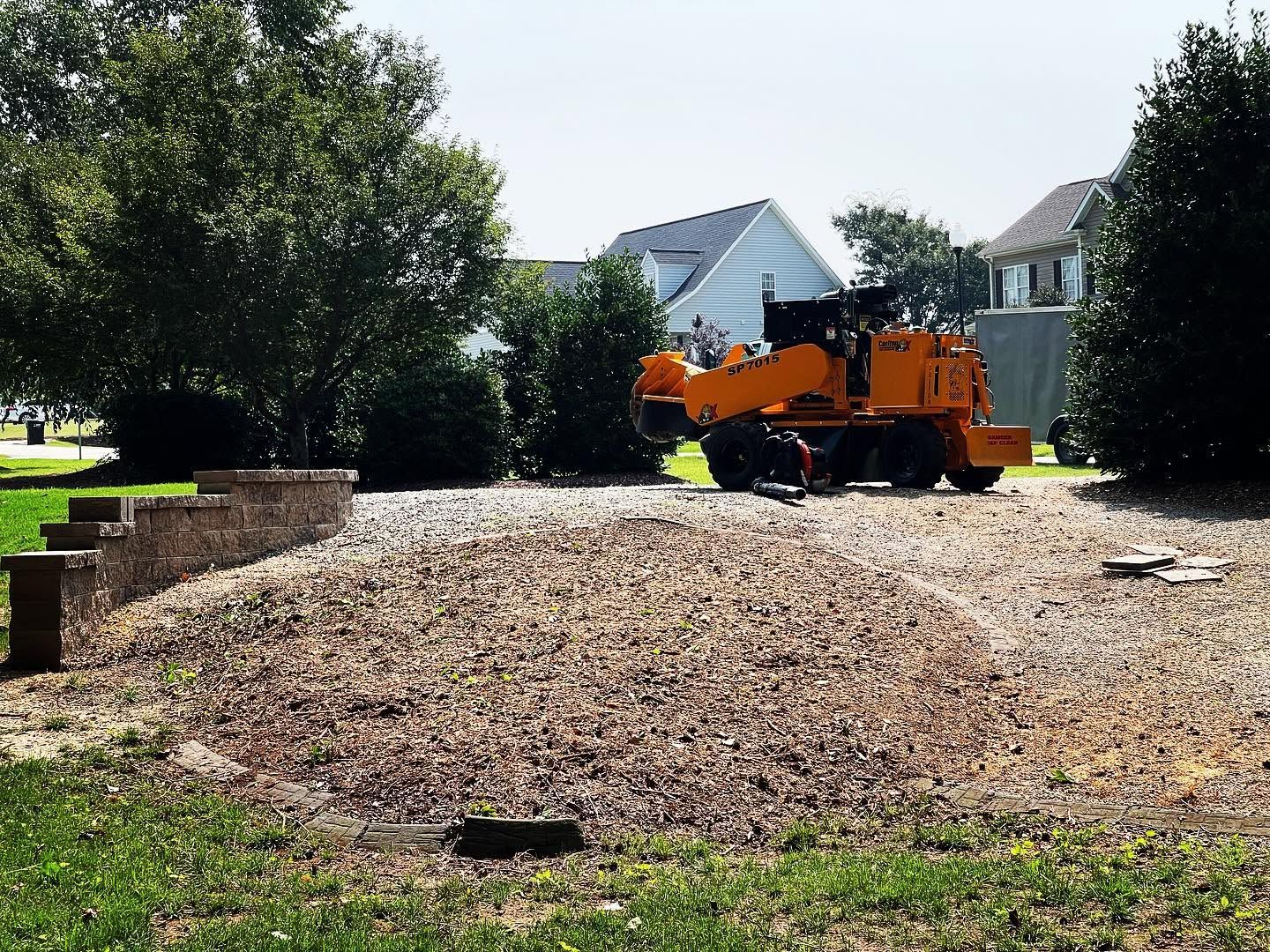
Complete cleanup follows each removal, hauling away cut material and filling depressions left by root extraction. Sites may require additional topsoil and grading if shrubs were large or densely rooted, especially when preparing areas for sod installation or paver projects. Some property owners choose to leave root zones undisturbed if planting similarly sized replacements in the same locations.
Common Questions Before Removing Shrubs
Shrub removal decisions often arise during property renovations, seasonal cleanups, or when plantings outgrow their intended scale and interfere with buildings or access routes.
TSR Tree Service, LLC removes shrubs that no longer fit your landscape plan, clearing space efficiently while protecting the plantings and structures you want to preserve. Contact us to evaluate which shrubs detract from your property and schedule their removal.
What determines whether a shrub should be removed instead of pruned?
Shrubs that have grown into power lines, cracked foundations, blocked windows, or developed structural disease typically warrant removal rather than ongoing corrective pruning that never fully resolves the underlying problem.
How does removal avoid damaging surrounding plants or lawn areas?
Selective root cutting and directional pulling techniques protect adjacent plantings by limiting excavation spread, and equipment placement is planned to keep weight off established turf and bed areas whenever site access permits.
When is the best time to remove shrubs in Wake Forest?
Late fall through early spring allows removal during dormancy when plants allocate fewer resources to root systems, though shrub removal can proceed year-round without causing significant stress to nearby established plantings.
Why do some shrubs require more effort to extract than others?
Root depth, soil compaction, and proximity to structures affect removal difficulty, with mature holly, juniper, and laurel developing extensive root systems that demand more labor than shallow-rooted spirea or forsythia.
What happens to the area immediately after shrubs are removed?
Bare soil remains where shrubs once stood, ready for grading, soil amendment, and replanting or hardscape installation, with most sites requiring topsoil addition to level depressions left by root extraction.