Hazard Response When Trees Fail
24/7 Emergency Tree Services in Wake Forest, NC & Surrounding Areas
When a tree falls, splits, uproots, or becomes unstable after a storm, waiting can increase the risk to your home, vehicles, driveway, and surrounding property. TSR Tree Service, LLC provides 24/7 emergency tree services in Wake Forest, Rolesville, Raleigh, Youngsville, Wendell, Zebulon, and nearby communities for urgent tree hazards requiring professional assessment and removal.
Whether a tree has fallen onto a roof, blocked a driveway, damaged a vehicle, or is leaning dangerously toward a structure, our team responds with the equipment and experience needed to stabilize the situation, remove immediate hazards, and restore safe access to the property.
Need emergency tree service now? Call TSR Tree Service for 24/7 assistance.
Not every damaged tree can safely wait for a scheduled appointment. Emergency tree service may be necessary when storm damage or structural failure creates an immediate threat to people, buildings, vehicles, utilities, or property access.
TSR Tree Service responds to situations including:
Emergency Tree Problems We Respond To
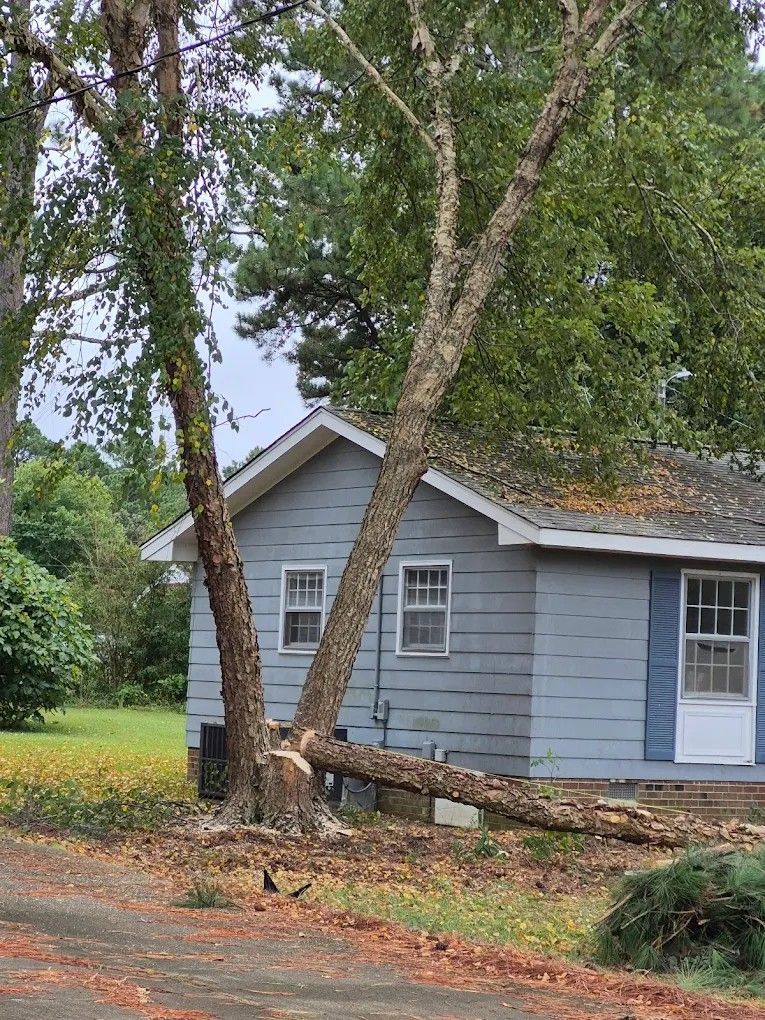
Trees fallen onto homes, garages, sheds, or other structures
Trees or large limbs blocking driveways and property access
Storm-damaged trees leaning toward homes or vehicles
Large broken or hanging limbs at risk of falling
Uprooted trees with unstable root systems
Split trunks and partially failed trees
Trees damaged by high winds, thunderstorms, or severe weather
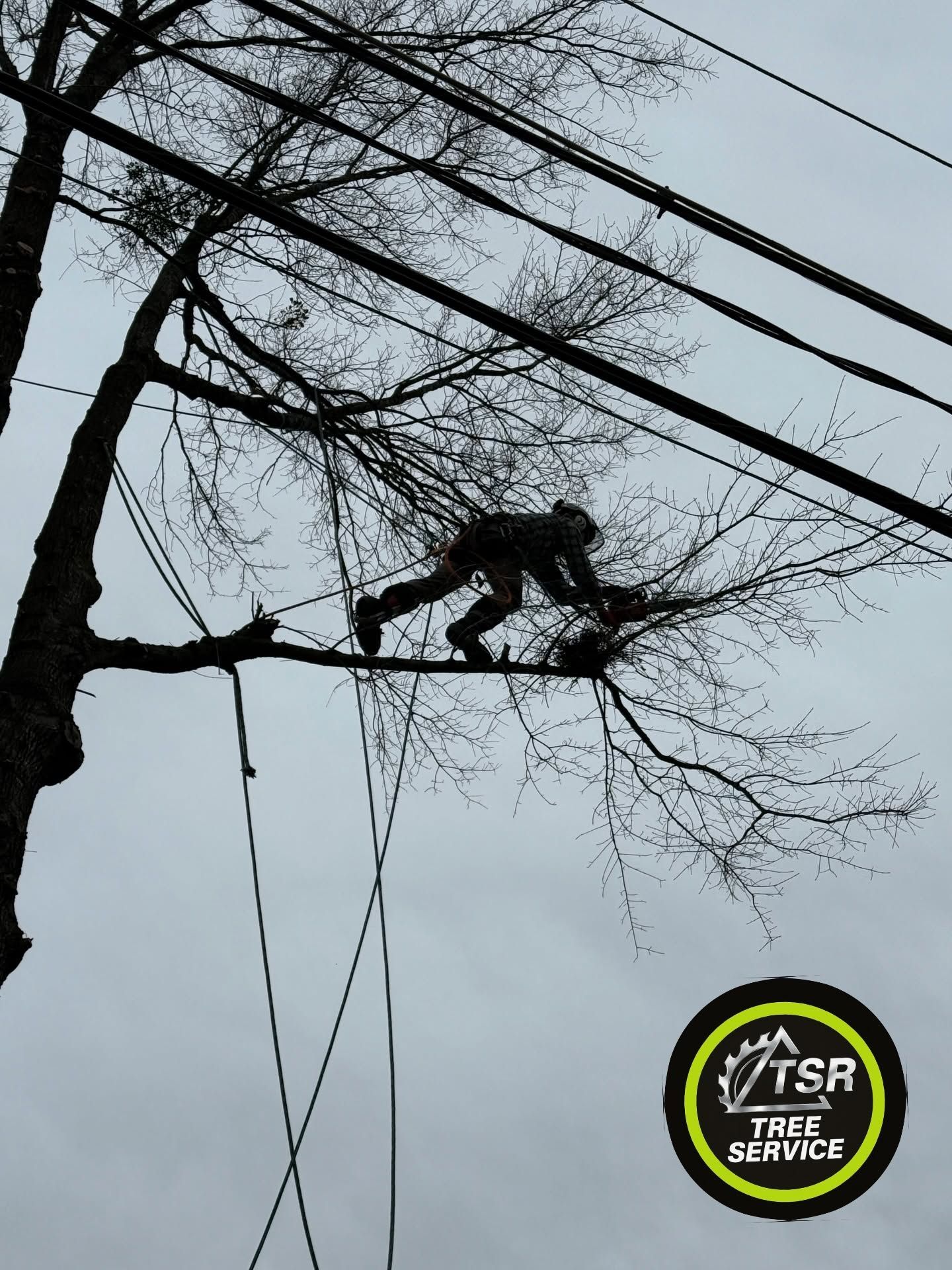
Tree hazards involving or located near utility lines
Fallen trees trapping or damaging vehicles
Dangerous trees requiring controlled sectional removal
If a damaged tree is touching a utility line, stay clear of the area and contact the appropriate utility provider before approaching the tree.
What Happens When You Call TSR for Emergency Tree Service?
Emergency tree removal begins with identifying the most immediate threat and creating a plan to control the damaged tree safely.
Depending on the situation, our response may include:
Hazard Assessment
We evaluate the tree's position, structural failure, surrounding buildings, utilities, vehicles, and access points.
Site Stabilization
Unstable limbs or sections of the tree are secured or controlled before removal begins whenever conditions require it.
Controlled Tree Removal
Crews carefully dismantle or section damaged trees to reduce the risk of additional property damage.
Critical Access Clearing
Trees and limbs blocking driveways, roads, entrances, or other essential access areas are prioritized.
Storm Debris Removal
Once the immediate hazard is controlled, tree sections and debris can be removed from critical areas so the property can be safely accessed again.
Follow-Up Tree Care
Additional debris removal, stump grinding, or other non-emergency tree services may be scheduled after the immediate danger has passed.
How Emergency Removal Differs from Routine Work
Emergency situations involve unpredictable stresses in damaged wood, often requiring rigging techniques that control piece descent without relying on standard climbing anchors. Trees already in contact with buildings or vehicles demand partial dismantling before larger sections can be safely lowered, and root balls from uprooted trees may shift unexpectedly during cutting. Crews prioritize immediate hazard mitigation over complete site cleanup, focusing first on eliminating dangers and restoring basic access before returning for stump grinding and debris removal.
After emergency work finishes, properties regain safe access, roofs and structures no longer face imminent impact from suspended limbs, and vehicles trapped under branches or trunks become accessible for assessment and recovery. The immediate threat resolves, though cosmetic cleanup and stump removal typically occur during follow-up visits once the hazard no longer dictates urgent action. Sites show visible evidence of mitigation—fallen trees sectioned and moved, access lanes cleared, and unstable portions removed or secured.
Emergency services do not include tree replacement, landscape restoration, or repairs to structures damaged by tree impacts. The scope remains limited to tree hazard elimination, with property owners coordinating separately for building repairs, utility reconnection, and landscape rehabilitation. Some insurance policies cover emergency tree removal when trees damage insured structures, though coverage specifics vary and should be confirmed before work begins.
Equipped for Complex Emergency Tree Removal
Storm-damaged trees can behave very differently from healthy trees being removed under controlled conditions. Broken trunks, suspended limbs, uprooted root systems, and trees resting against structures can shift unexpectedly as weight and tension are released.
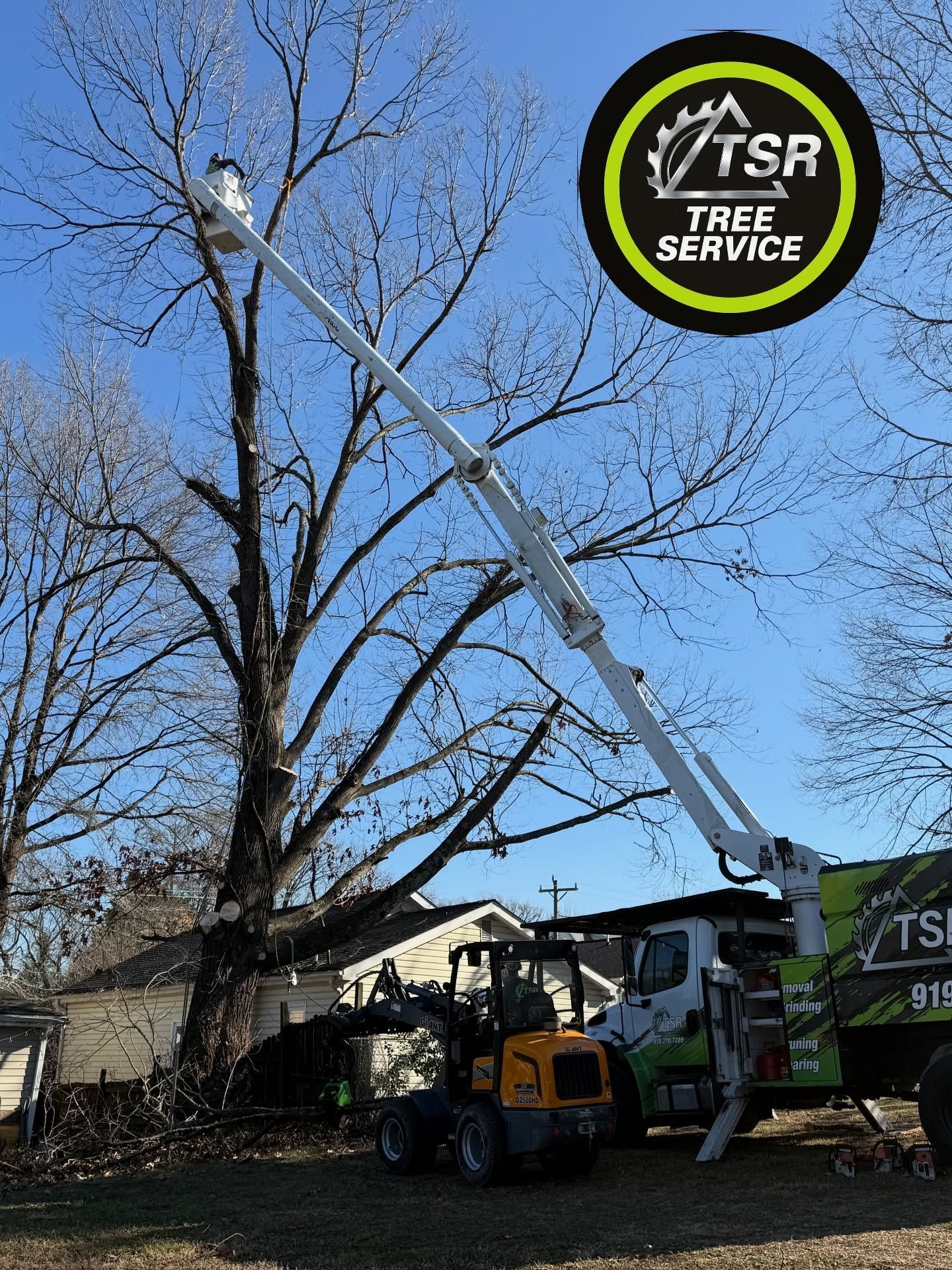
TSR Tree Service uses professional tree-removal and material-handling equipment appropriate to the conditions of each job. Depending on site access and the nature of the emergency, specialized equipment and rigging may be used to control tree sections, move heavy debris, and complete removals around homes, vehicles, driveways, and other obstacles.
The goal is not simply to cut down the tree. It is to control the hazard while minimizing the chance of additional damage to the surrounding property.
Severe storms can create several tree hazards at the same property at once. A tree may appear to have survived the initial storm while still having a cracked trunk, partially uprooted root system, broken leader, or hanging limb capable of failing later.
After major storms in the Wake Forest area, TSR Tree Service can evaluate and respond to urgent hazards involving:
Emergency Tree Removal After Storm Damage
Wind-thrown and uprooted trees
Broken trunks
Trees resting on roofs or buildings
Hanging or suspended limbs
Blocked driveways
Storm debris affecting property access
Trees that have shifted or begun leaning after heavy rain or wind
Property owners should avoid standing beneath damaged trees or attempting to remove large storm-damaged limbs themselves. Wood under compression or tension can move suddenly when cut, making emergency tree work especially dangerous without the proper equipment and training.
Emergency Tree Removal & Insurance Documentation
When a tree damages an insured structure or vehicle, homeowners may need documentation showing the condition of the property and the work required to eliminate the immediate hazard.
TSR Tree Service can provide photos and written or itemized documentation related to the tree-removal work performed to help property owners organize information for an insurance claim.
Insurance coverage varies by carrier, policy, cause of loss, and the location of the fallen tree. Property owners should contact their insurance provider directly to determine what tree removal, debris cleanup, or property damage may be covered.
Whenever conditions are safe, taking photos of the damage before cleanup begins can also help create a clearer record of the loss.
Tree Down? Call TSR 24/7
Tree emergencies do not always happen during normal business hours. TSR Tree Service is available 24 hours a day, 7 days a week for urgent tree hazards in Wake Forest and surrounding communities.
Call when you are dealing with:
- A tree on your house
- A tree blocking your driveway
- A dangerously leaning tree
- Large storm-damaged limbs
- An uprooted tree threatening property
- A tree preventing safe access to your home
Call TSR Tree Service now for emergency assistance.
What to Know During Tree Emergencies
Tree emergencies create urgent situations where understanding response capabilities, safety protocols, and service limitations helps property owners make informed decisions under time pressure.
TSR Tree Service, LLC responds to tree emergencies that threaten safety and property access, providing rapid hazard mitigation when storms or failures leave trees in dangerous positions. Call (919) 275-7559 when you need immediate assistance with fallen or failing trees creating urgent risks.
What situations qualify as tree emergencies requiring immediate response?
Trees or large limbs that have fallen onto occupied structures, block necessary access, are leaning or cracking toward buildings, or have become unstable after storms may require immediate response. Trees contacting electrical lines also create serious hazards; stay away from the area and contact the utility provider before approaching the tree.
How do crews safely remove trees already resting on structures?
Emergency removals are planned around the weight, tension, and position of the damaged tree. Rigging and controlled dismantling techniques can stabilize sections before they are cut and lowered, helping prevent sudden movement that could cause additional damage to roofs, vehicles, or surrounding property.
When should property owners avoid approaching damaged trees?
Stay away from trees touching power lines, trees with exposed or lifting root systems, severely leaning trees, cracked trunks, and suspended broken limbs. These conditions can change without warning, particularly during continuing wind or saturated soil conditions.
Why does emergency work sometimes require follow-up visits?
The first priority is eliminating immediate danger and restoring necessary property access. Additional debris hauling, stump grinding, cosmetic cleanup, or other non-emergency work may be completed during a follow-up visit after the site has been stabilized.
What determines response time during widespread storm damage in Wake Forest?
During major storms, multiple emergency calls may arrive at the same time. Response is generally prioritized based on immediate safety concerns, including trees affecting occupied structures, critical access, or other serious hazards.
Does TSR Tree Service provide 24/7 emergency tree service?
Yes. TSR Tree Service provides 24/7 emergency tree service in Wake Forest and surrounding communities, including Rolesville, Raleigh, Youngsville, Wendell, Zebulon, and nearby areas. Call when a fallen, leaning, uprooted, or storm-damaged tree creates an immediate risk to your home, vehicles, or property access.
Can TSR help with documentation for a homeowners insurance claim?
TSR Tree Service can provide photos and written or itemized documentation related to emergency tree-removal work to help homeowners organize information for their insurance carrier. Coverage varies by policy, so property owners should confirm tree-removal and storm-damage coverage directly with their insurance company.
What should I do if a tree falls on my house?
Keep people and pets away from the damaged area and do not walk beneath unstable limbs. If electrical lines are involved, stay well clear and contact the utility provider. Once immediate life-safety concerns are addressed, contact TSR Tree Service for assessment and controlled removal of the tree hazard.
Can you remove a tree blocking my driveway?
Yes. A fallen tree blocking the only safe entrance or exit to a property can require emergency tree removal. TSR can assess the tree, control unstable sections, and clear critical access while prioritizing safety around nearby structures, vehicles, and utilities.
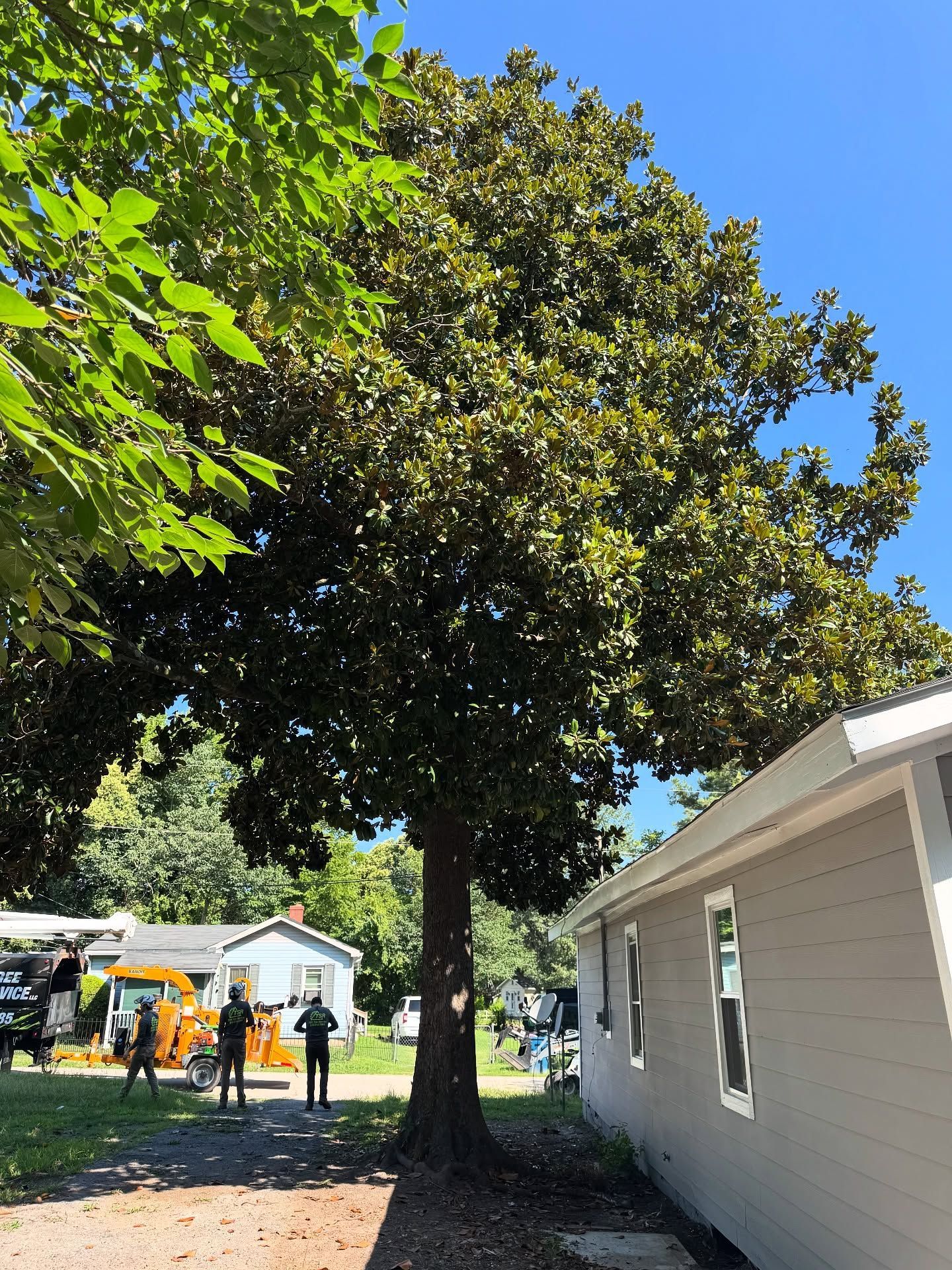
24/7 Emergency Tree Service Near Wake Forest
TSR Tree Service provides emergency tree response throughout Wake Forest and nearby communities in the Triangle, including:
- Wake Forest
- Rolesville
- Raleigh
- Youngsville
- Wendell
- Zebulon
- Surrounding Wake Forest-area communities
Storm conditions can affect neighborhoods differently across the region, so availability may vary during widespread severe-weather events. If you have an active tree hazard, call TSR Tree Service and describe the situation so the team can determine the appropriate response.
Get Help With a Dangerous or Fallen Tree
A damaged tree can become more dangerous as wind, rain, shifting soil, and gravity continue to affect weakened limbs and root systems. If a tree has fallen, begun leaning, damaged a structure, or blocked access to your property, professional assessment should not be delayed.
TSR Tree Service provides 24/7 emergency tree services for Wake Forest and surrounding areas.
Call now for emergency tree service.