
Maintaining Shape Without Losing Natural Form
Shrub Pruning in Wake Forest and surrounding areas for healthier growth and improved landscape appearance
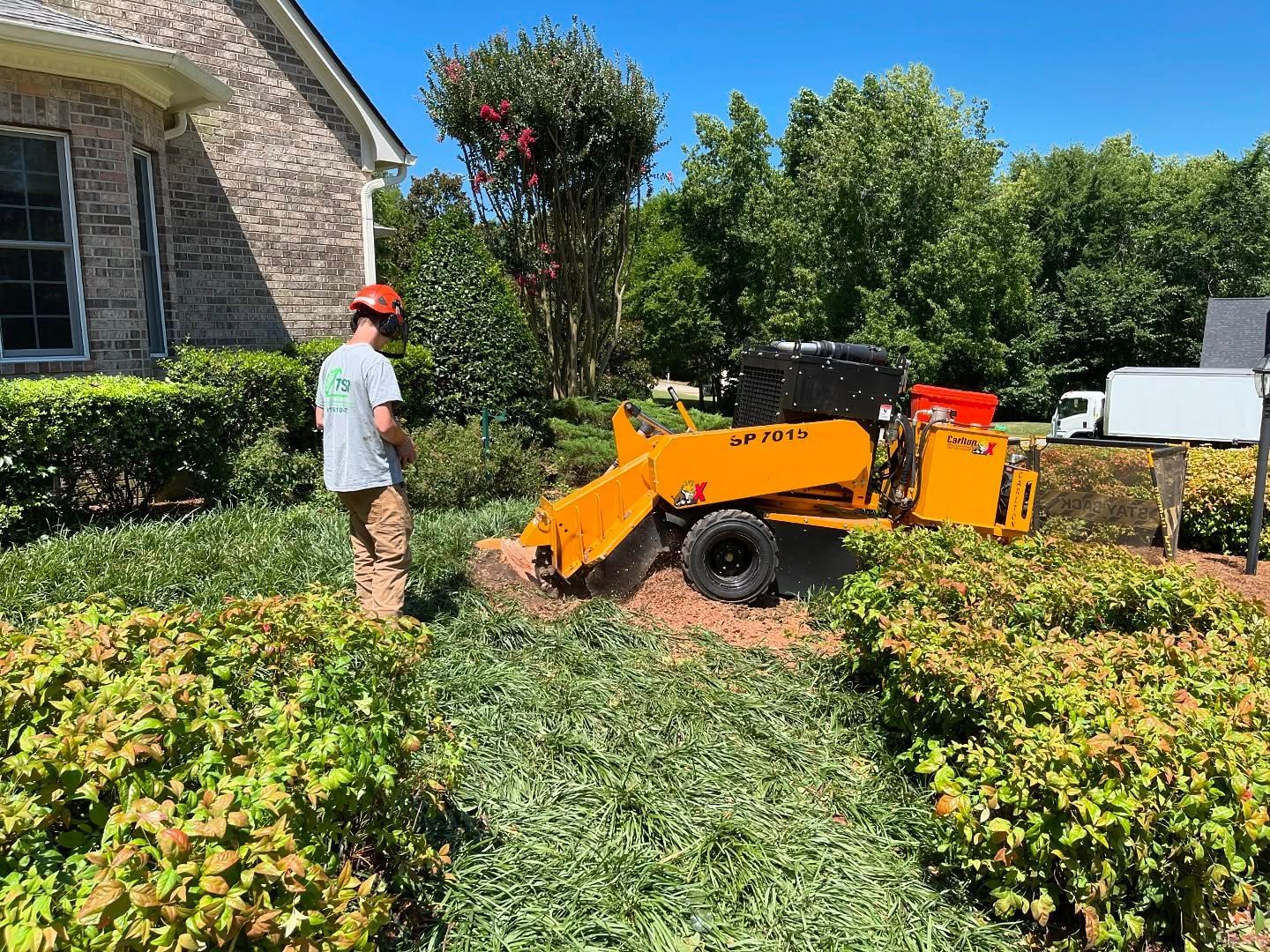
North Carolina's extended growing season pushes shrubs into rapid growth cycles that distort intended shapes, block pathways, and create dense canopies that trap moisture and restrict airflow. Routine pruning removes crossing branches, thins crowded interior growth, and shapes perimeters without reducing shrubs to geometric blocks that look artificial against residential landscapes. TSR Tree Service, LLC prunes shrubs throughout Wake Forest, Youngsville, Raleigh, and neighboring communities to restore proportion, eliminate damaged wood, and maintain the natural branching patterns that define each species' character.
Pruning techniques vary by shrub type—selective thinning suits informal plantings like hydrangea and viburnum, while shearing maintains formal hedges of boxwood and privet. Timing matters for flowering shrubs, with spring bloomers like azalea and forsythia pruned immediately after flowers fade to avoid removing next season's buds. The process improves light penetration to interior branches, encourages new growth from the base, and reduces the weight of overgrown limbs that sag or break under their own mass.
Schedule routine maintenance visits to keep shrubs proportional and healthy throughout the growing season.
Why Pruning Techniques Change with Each Shrub Variety
Different shrub species respond to specific pruning approaches based on their growth habits and bloom cycles. Renewal pruning removes the oldest stems entirely on multi-stemmed shrubs, promoting vigorous new growth from the root crown. Heading cuts shorten individual branches to lateral buds, controlling height while maintaining density. Rejuvenation pruning cuts shrubs nearly to the ground, used when neglect has created leggy, unproductive plants that no longer respond to selective trimming.
After pruning, shrubs develop fuller canopies with better branch distribution, and dead or diseased wood no longer drains resources or spreads pathogens. You notice improved flowering on species like camellia and gardenia when old wood is removed and energy redirects to bud development. Foundation plantings regain proper scale relative to windows and doorways, and hedges present uniform height and density that define property boundaries clearly.
Pruning does not guarantee pest or disease immunity, but it reduces conditions that favor infestations by improving air circulation and exposing problem areas to inspection. Shrubs pruned regularly require less aggressive intervention over time compared to those allowed to grow unchecked for years. Properties with diverse shrub plantings benefit from customized pruning schedules that align with each species' growth rate and seasonal requirements.
Answers to Shrub Maintenance Questions
Shrub pruning raises questions about timing, technique, and the impact on plant health, especially when managing landscapes with mixed species and varying maturity levels.
TSR Tree Service, LLC tailors pruning methods to the specific shrubs on your property, working with their natural growth patterns to maintain healthy, attractive plantings. Set up a maintenance plan that keeps your landscape looking intentional without excessive intervention.
What happens if shrubs are pruned at the wrong time of year?
Late-season pruning stimulates new growth that may not harden off before winter frosts, while pruning spring bloomers in fall removes flower buds that formed during summer, resulting in reduced blooms the following season.
How does pruning improve shrub health beyond appearance?
Thinning interior branches allows sunlight and air movement to reach all parts of the plant, reducing fungal infections and pest habitat while encouraging productive growth from dormant buds along main stems.
When should overgrown shrubs be pruned back severely?
Rejuvenation pruning works best during late winter dormancy for deciduous shrubs in Wake Forest, giving plants the full growing season to recover, though broadleaf evergreens like holly tolerate severe cuts less readily than deciduous varieties.
Why do some pruning cuts fail to produce new growth?
Cuts made between nodes or too far from lateral buds leave stubs that die back, and excessive removal of foliage reduces the plant's ability to photosynthesize and generate energy for regrowth, particularly on evergreens with limited latent buds.
What indicates a shrub has been pruned correctly?
Cuts angle just above outward-facing buds, no stubs or torn bark remain, and the overall shape follows the plant's natural growth habit rather than forcing unnatural geometries that require constant corrective trimming.